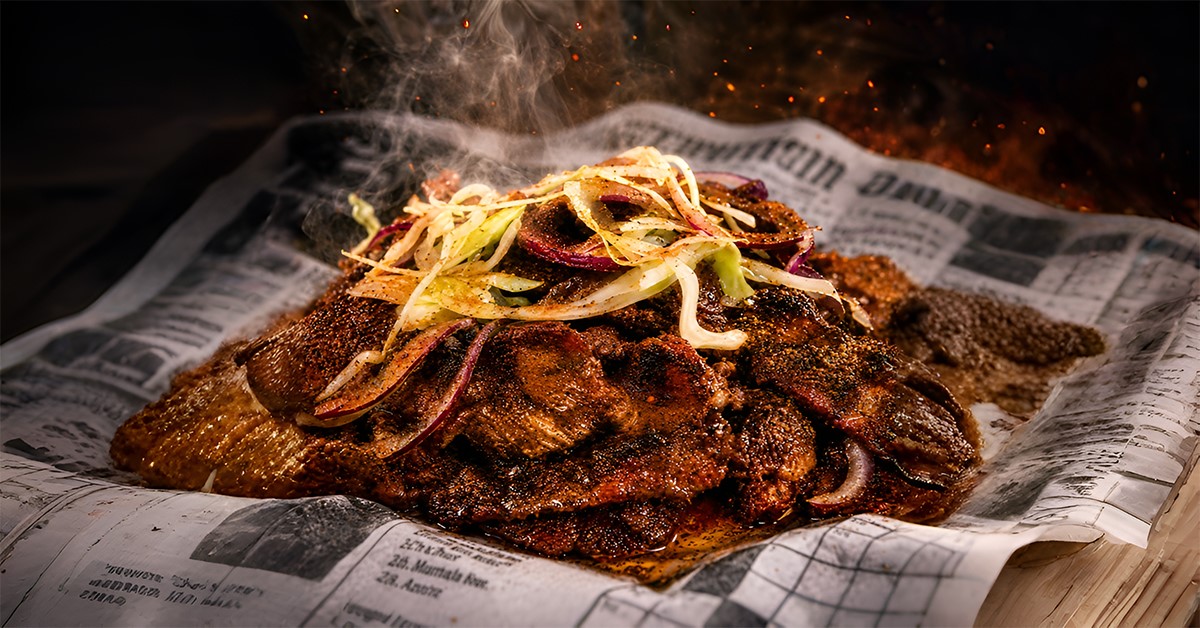
This guide explains how to explore an African food business opportunity by researching local customers, choosing a focused food concept, testing the menu, managing costs, building a strong brand, and using digital marketing. It also shows how a specialty such as Suya can create a clear identity in the modern food market.
A great food business can begin with a simple idea: serve food people want to eat again. African cuisine offers plenty of room for that idea to grow. From flavorful grilled meats to traditional street foods, the cuisine has a rich mix of tastes and stories. However, passion alone is not enough. If you want to explore an African food business opportunity, you need to study the market, understand your customers, and build a concept that gives people a reason to return.
Start With A Food Concept People Can Understand
First, decide what type of African food business you want to create. You could build a casual restaurant, food truck, takeout spot, catering service, or small street-food concept. Each model has different costs, customer needs, and daily demands. Therefore, choosing the right format should be your first step.
Next, think about the food you want to make your signature. Suya can be a strong example because it combines grilled meat, bold seasoning, and a street-food feel. Other options may include rice dishes, stews, grilled chicken, plantains, or regional specialties. The key is to avoid making your menu so large that customers do not know where to start.
Instead, create a clear identity around a few memorable dishes. A focused menu can also make food preparation easier and help control waste. Moreover, it gives customers something specific to remember. When people can easily say, “That is the place with amazing Suya,” your brand starts to stick.
Study Your Local Customers Before Investing
Before spending money on equipment or a large space, learn who may actually buy your food. Look at the people living, working, and visiting the area. Then ask what they already eat, what they are missing, and what could make them try African cuisine.
You can begin with simple research. Check local restaurants, menus, prices, reviews, and customer comments. Meanwhile, notice which dishes appear often and which ones seem to have limited competition. This can help you spot gaps in the market.
Your customer may not already know what Suya is. So, clear descriptions and attractive food photos can make the first step easier. Likewise, friendly staff can explain unfamiliar dishes without making customers feel awkward about asking questions.
For example, a person searching for a quick dinner may want a simple meal and fast service. On the other hand, a group may prefer shareable dishes and a relaxed setting. Understanding these differences can help you shape your menu and service around real demand.
Build A Brand Around More Than Food
A successful food business needs a personality. Food may bring customers through the door, but the overall experience can encourage them to return. Therefore, think about your name, menu design, restaurant atmosphere, packaging, service, and online presence as parts of the same brand.
This is where an African business can create a strong identity. African cuisine has many regional traditions, ingredients, cooking methods, and stories. You can use those elements to give your concept a clear personality while keeping it easy for new customers to understand.
For instance, an urban restaurant can combine traditional recipes with a modern dining environment. That balance can make the cuisine feel authentic without making the experience feel unfamiliar. SUYA SUYA follows this type of direction by centering its concept around Suya while presenting it within a modern restaurant setting.
Furthermore, consistency matters. Your food should taste reliable, your service should feel welcoming, and your visual identity should remain recognizable. When these details work together, customers begin to remember the brand rather than just the meal.
Test The Idea Before Going All In
You do not always need a full restaurant to test a food idea. In fact, starting small can help you learn what customers actually want before making a major investment. Consider testing your concept through pop-ups, catering, food markets, delivery, or limited-time menus.
Start with a small selection of dishes. Then track what people order most, what they ask about, and what they mention in reviews. This feedback can reveal useful patterns. Perhaps one dish sells quickly while another receives little attention. That information is valuable.
Afterward, adjust your menu based on what you learn. You may also test different prices, portion sizes, meal combinations, and promotions. Although this process takes patience, it can prevent costly mistakes later.
Most importantly, listen to customers without changing your entire concept every time someone gives an opinion. Look for repeated feedback instead. If several customers ask for the same side or praise the same dish, you may have found something worth developing.
Make The Numbers Part Of Your Food Plan
A delicious menu does not automatically create a profitable business. You also need to understand your costs. Start by calculating ingredients, labor, rent, utilities, packaging, marketing, delivery fees, equipment, and other regular expenses.
Then compare those costs with your expected sales. This gives you a clearer picture of how many meals you need to sell to cover your expenses. From there, you can set prices that support the business while still giving customers fair value.
Next, watch food waste. Fresh ingredients can quickly become a hidden expense if you buy more than you can use. A smaller menu can help you manage stock and keep preparation more efficient.
You should also leave room for growth. If your first concept becomes popular, you may need more staff, better equipment, larger suppliers, or improved ordering systems. Planning ahead can make expansion smoother instead of turning success into a headache.
Use Digital Marketing To Create Curiosity
Once your concept is ready, make it easy for people to discover you online. Your website, social media profiles, food photos, reviews, and local listings can all help potential customers decide whether to try your food.
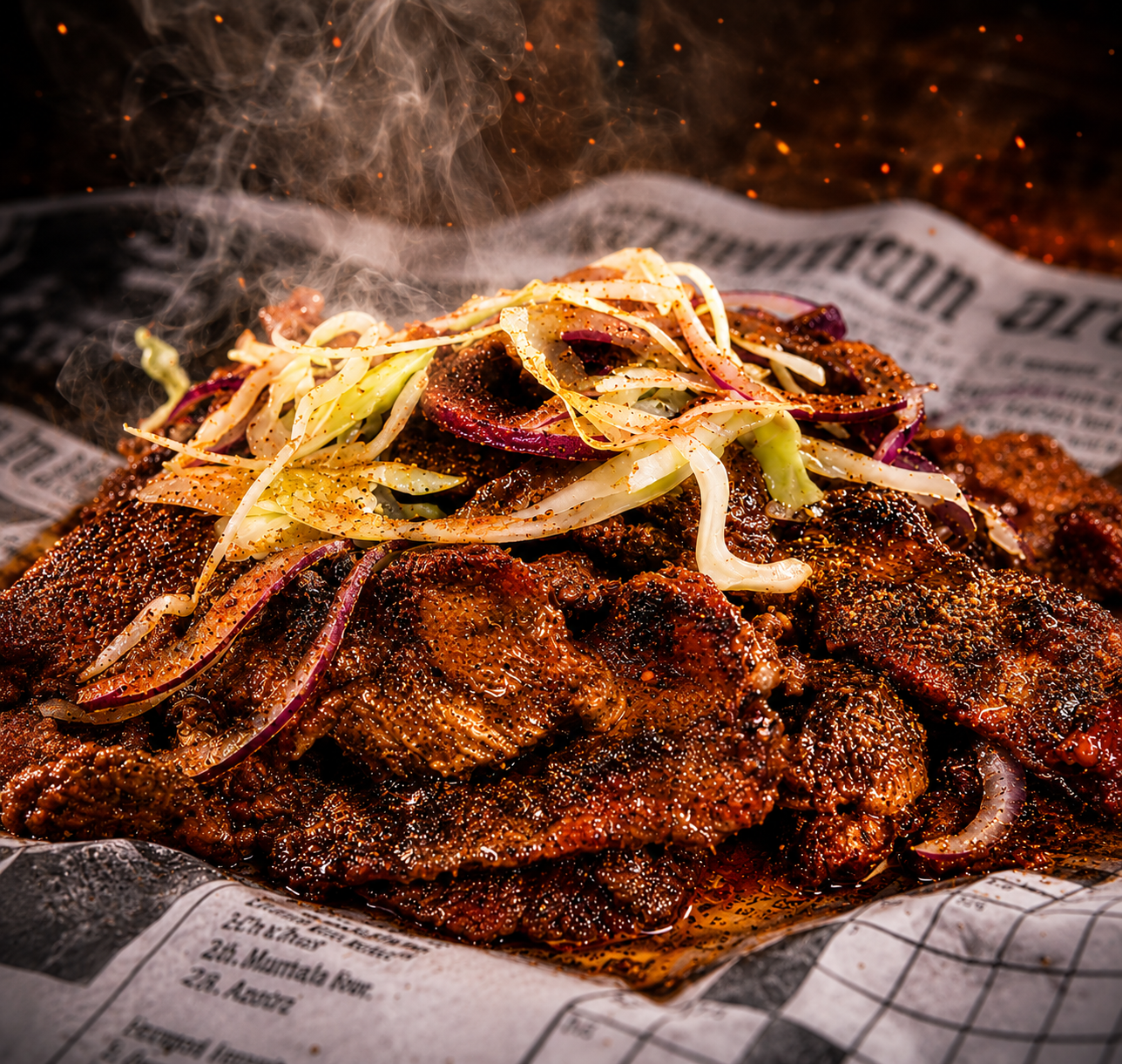
Strong visual content can be especially useful for grilled dishes. A close-up image of freshly prepared Suya can create interest before someone reads the menu. Short videos can also show grilling, seasoning, plating, and the atmosphere of the restaurant.
At the same time, avoid making every post a sales pitch. Share the story behind dishes, explain unfamiliar ingredients, introduce your cooking style, and show the people behind the business. These small details can make a new brand feel more personal.
Local search should also be part of the plan. Use clear location information and relevant food terms on your website. Encourage satisfied customers to leave honest reviews. Over time, these efforts can help more people discover your business when they are ready to eat.
Turn First-Time Guests Into Regular Customers
Getting someone to try your food is only the beginning. The bigger goal is to give them a reason to come back. That starts with consistency. Customers should know what to expect each time they visit.
Next, make the experience easy. Keep ordering simple, explain the menu clearly, and respond warmly to questions. If someone is trying African food for the first time, a helpful recommendation can make the visit much more enjoyable.
You can also create reasons to return. Seasonal dishes, loyalty offers, group meals, special events, and new menu items can keep the experience interesting. However, do not add promotions simply for the sake of having promotions. Each offer should support your brand.
A strong customer relationship can become one of your best marketing tools. When people enjoy both the food and the experience, they are more likely to tell friends, share photos, and return to themselves.
Why Can Suya Inspire A Strong Food Concept?
Suya offers an interesting starting point for anyone studying African food. It has roots in West African street-food culture and is known for seasoned meat cooked over a grill. The smoky aroma, bold spice, and simple serving style make it easy to understand while still offering something different.
That combination can work well in a modern food concept. You can build meals around Suya, pair it with sides, create shareable portions, or present it as a quick casual meal. The possibilities depend on your audience and business model.
More importantly, Suya gives a business a clear point of difference. Instead of trying to serve every type of African dish, you can build recognition around one specialty and expand carefully as demand grows.
SUYA SUYA offers an example of how a focused concept can bring traditional Suya flavors into a modern, urban dining experience. Its approach shows how a familiar street-food tradition can become part of a fresh restaurant identity.
Want to explore African flavors in a modern setting? Discover SUYA SUYA and see how traditional Suya can become a memorable part of today’s dining experience.
Final Thoughts On Exploring The Opportunity
Finding an African food business opportunity starts with more than spotting a popular cuisine. You need to understand your customers, choose a clear concept, study your competition, manage costs, and test your idea before making major commitments.
Start small when possible. Learn from real customers. Keep your menu focused. Most importantly, give people a reason to remember your food and your brand.
African cuisine has a wide range of flavors and traditions to explore. With careful research, a clear identity, and smart business planning, you can turn a promising food idea into a concept with room to grow.
FAQs
2. How do I start an African food business?
Begin by researching your market, choosing a specific food concept, testing your menu, calculating costs, and learning from customer feedback.
3. Is Suya a good food business idea?
Suya can be a strong concept because its grilled preparation, bold seasoning, and street-food roots offer a distinct and memorable food experience.
4. Should I start with a small food concept?
Starting with catering, pop-ups, food markets, or delivery can help you test demand before investing in a full restaurant.
5. How can I make my African food brand stand out?
Focus on signature dishes, consistent quality, a clear brand identity, friendly service, and an experience that makes customers want to return.